IN2PAST develops its activity around 5 thematic lines:
TL1 | Science and Technology for Cultural Heritage
IN2PAST’s TL1 advances the use of science and technology to ensure the sustainable preservation, dissemination, and management of tangible and intangible, movable and immovable heritage.
By integrating interdisciplinary approaches that adopt a holistic view of heritage – combining social sciences with invasive and non-invasive scientific analysis, along with digital surveying – valuable data is generated. This data drives various applications, including the creation of digital twins and the use of AI, enabling predictive models that enhance the preservation, dissemination, and management of cultural heritage.
Aligned with contemporary scientific and societal priorities, TL1 aims to establish best practice guidelines for conservation and restoration methodologies, contributing to the development of informed policies for heritage preservation and management.
TL2 | Landscape, Territories and Cultural Heritage
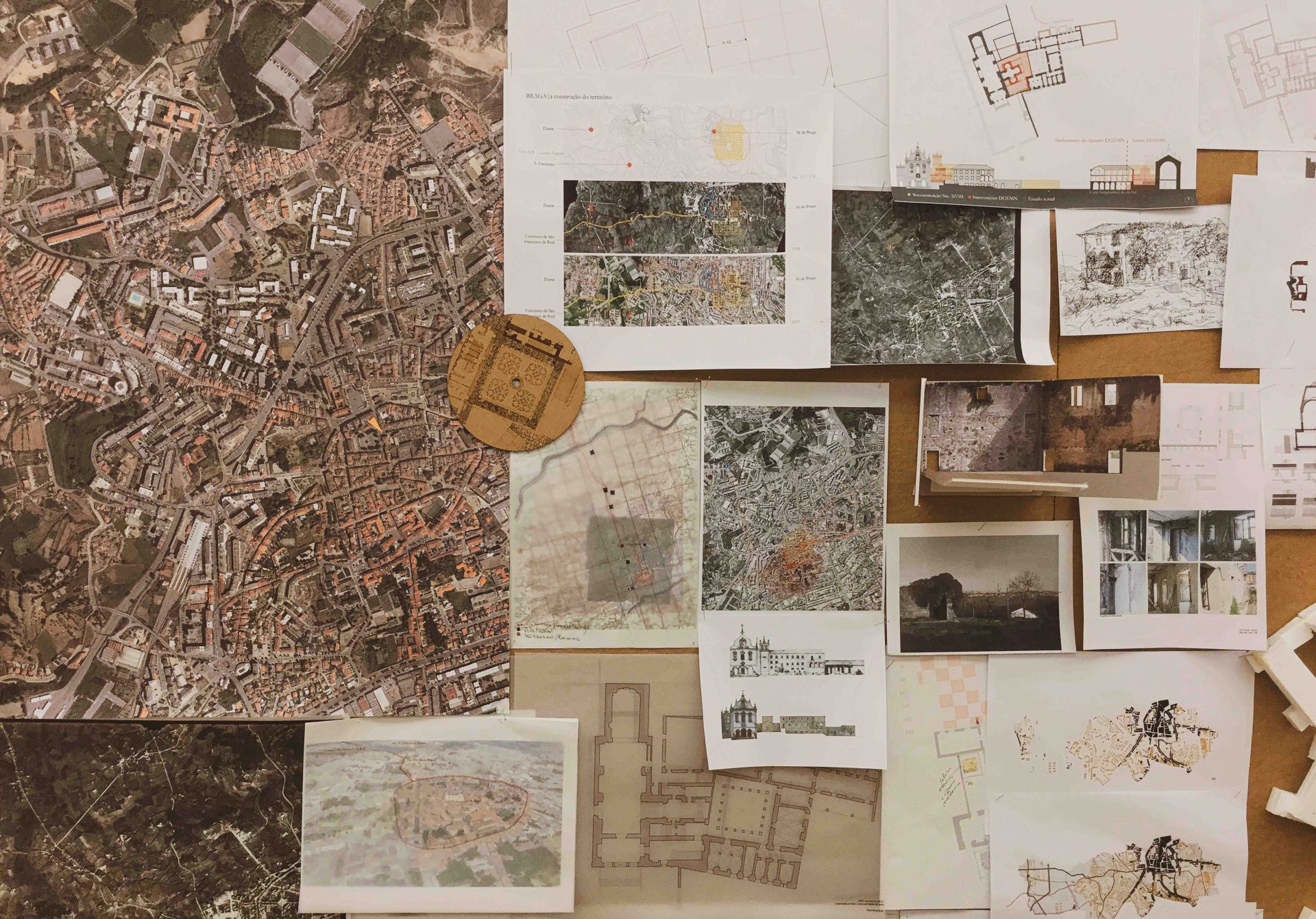
This thematic line promotes fundamental, applied and transversal research, and draws on the interdisciplinary composition of the different IN2PAST R&D units. It promotes social cohesion, and territorial and demographic balance through the valorisation of heritage, landscapes and social innovation.
The capacity of the R&D units will be used to analyse, interpret and enhance the landscapes and their ecological and cultural landmarks as heritage resources that can foster economic and social development. We contribute from the study of the past to the construction of the present and the future through heritage as a cultural resource.
Our major subthematic areas are: 1. Heritage, Memory and Societal Challenges; 2. Representation of Heritage, New Technologies and Transformation of the Territory; 3. Natural, Rural and Urban Heritage, Communities and Sustainability; 4. Cultural landscapes as heritage and future.
Thematic Line ‘Museums, Monuments and their Collections’ promotes reflection and analysis on the challenges posed to cultural research and exhibition practices.
Guided by IN2PAST’s multidisciplinarity, it favours collaborative initiatives between researchers, cultural institutions and society, seeking to mitigate territorial asymmetries and to produce an integrated knowledge of heritage, aware of issues of diversity, artistic practice, materiality, ethics and sustainability.
Aligned with current scientific and societal agendas, it stimulates critical thinking about collection procedures, classification and display of artefacts, and considers the digital turn as a tool for action in the areas of conservation, documentation and research of cultural objects.
TL5 | Cultural Transfers, Public Policies on Memory and Inclusive Citizenship
The global increase in cultural circulation and competing uses of the past raises new issues concerning the making of social identities and memories. Encompassing cultural, political and scientific threads of research, this thematic line aims to discuss and critically promote inclusive societies, including Portugal’s colonial and anti-colonial legacies, as well as its current forms of exchange with the Global South.
TL5 will focus on three major areas of research: 1) Promoting critical forms of historical memory, including the role of citizenship in the memorialization of violent pasts; 2) Translating inclusive citizenship into the making of diasporic archives developing more pluralistic transnational memories, including popular culture; 3) Inserting Portuguese state policies in international debates on difficult memories, ranging from ongoing work on the memory of fascism and other forms of authoritarianism to the memories of colonial violence and anti-colonial struggles.
The RU’s points of contact/ contact points for each TL are integrated PhD researchers who are responsible for acting as an interface between their respective RU and a specific TL, and vice versa, which means receiving and responding to requests for information, exchange of communications or other types of support.
The contact points are named by the Boards/Coordinators/Scientific Councils or other competent bodies of the RUs, using a method determined by them.
The RU’s contact points are the people at each IN2PAST RU whom researchers should get in touch with regarding any questions related to each Thematic Line in particular. They are also the people who take IN2PAST issues, relating specifically to each TL, to their respective RUs (Boards, Coordinators and other relevant forums).
Example 1: Peter is from CRIA and has heard about an activity organised within TL1 that interests him, but he cannot find information about it; he should send an email to one or the two CRIA contact points for TL1.
Example 2: Paul is from IHA and is assembling a team for a new project which he thinks contributes to TL3 and TL4, but he is not sure; he should email the four IHA contact points for both TL3 and TL4.
Example 3: Mary has just joined the HERCULES team and seems to have a research agenda that particularly fits in with TL2; HERCULES contact points for TL2 should put her in touch with TL2 coordinators.
Example 4: The TL5 coordinators are looking for information, support or specific suggestions about or from CESEM. They should reach out to CESEM’s contact points for TL5, without going through the IN2PAST Board, science management team, or the CESEM Board/Coordination.